
Introduction
Leadership isn’t just about titles or positions; it’s about inspiring others, driving change, and fostering growth. In this blog post, I will explore two critical facets of effective leadership: Recognition and Responsibility. These qualities define exceptional leaders and resonate across organizations, from startups to Fortune 500 companies.
Before deep diving into this concept, let me share a great visual. This image is a visual metaphor created by PJ Milani, known as “milanicreative,” who specializes in simplifying complexity through visual metaphors. The is image illustrates the concept of leadership as a balance between recognizing successes and taking responsibility for failures. It’s a simple yet impactful representation that aligns with the themes of your blog post on leadership. For more information on PJ Milani’s work or to explore how to create similar visuals, you can visit his website
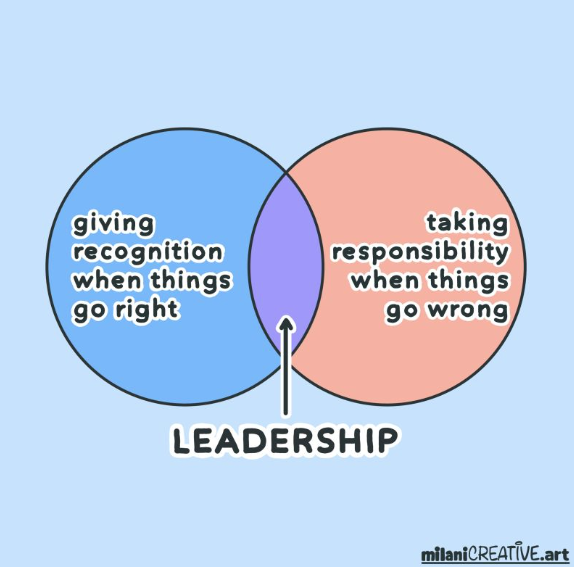
1. Giving Recognition When Things Go Right
Why Recognition Matters
- Boosting Morale: Acknowledging achievements, big or small, energizes teams. It validates their efforts and reinforces a positive work culture. 🌟
- Fostering Loyalty: When leaders recognize contributions, team members feel valued and connected. This loyalty translates into higher retention rates. 🙌
- Setting the Bar: By celebrating success, leaders establish benchmarks for excellence. Others strive to meet or exceed these standards. 🏆
Practical Steps
- Personalized Praise: Go beyond generic compliments. Be specific about what impressed you. “John, your creative approach to problem-solving in the last project was outstanding!” 🚀
- Public Acknowledgment: Share successes in team meetings, newsletters, or company-wide announcements. Highlight individual and collective wins. 🎉
- Rewards and Incentives: Consider tangible rewards like bonuses, promotions, or extra vacation days. Recognition isn’t just verbal—it can be actionable. 💡
2. Taking Responsibility When Things Go Wrong
Why Responsibility Matters
- Building Trust: Leaders who own up to mistakes demonstrate integrity. They create an environment where transparency and trust thrive. 🤝
- Learning Opportunities: Admitting errors allows growth. It’s a chance to analyze missteps, learn, and prevent recurrence. 📈
- Team Alignment: When leaders take responsibility, team members feel supported. They know their leader won’t throw them under the bus. 🙏
Practical Steps
- Immediate Acknowledgment: Address issues promptly. Don’t wait for blame games to start. “Team, we missed our deadline, and I take full responsibility.” ⏰
- Problem-Solving Mode: Shift focus from blame to solutions. Involve the team in finding remedies. “Let’s brainstorm how to recover from this setback.” 🧠
- Learn and Adapt: After resolving the issue, discuss lessons learned. Adjust processes, communication, or workflows to prevent similar hiccups. 📚
Conclusion: The Leadership Balance
Great leaders strike a delicate balance between recognition and responsibility. They celebrate victories, yet shoulder accountability. As CSOs, CMOs, and CEOs, embracing this duality ensures not only personal growth but also organizational success.
Remember, leadership isn’t about perfection—it’s about authenticity, empathy, and continuous improvement. 🚀

 Md Consulting
Leave a comment