As previously mentioned, I am excited to share excerpts from my upcoming book. As already shared with you, I’m in the process of writing a book that deep-dives into the world of go-to-market (GTM) strategy, blending it with personal experiences and passions that have shaped my career. I will also explore how AI is impacting all of us in sales, marketing, sales enablement, operation, and finance, from insights to planning, pitching and execution. This book will give you a new and fresh perspective on building strong GTM plans, leveraging a consumer and partner-centric approach, and asking the right questions to create real differentiation and impactful storytelling. You will find below a new excerpt focusing on the structure and what you can expect. Feel free to share your thoughts on this and open a conversation with me for collaboration. My calendar shared below is fully opened for this purpose.
Please find the excerpt below.
As we progress in our GTM journey, much like advancing through the belts in karate or refining our golf swing, we must focus on executing our strategies with precision and adaptability. In this section, we’ll explore best practices for GTM execution, drawing parallels with the discipline required in both karate and golf.
Precision in Planning
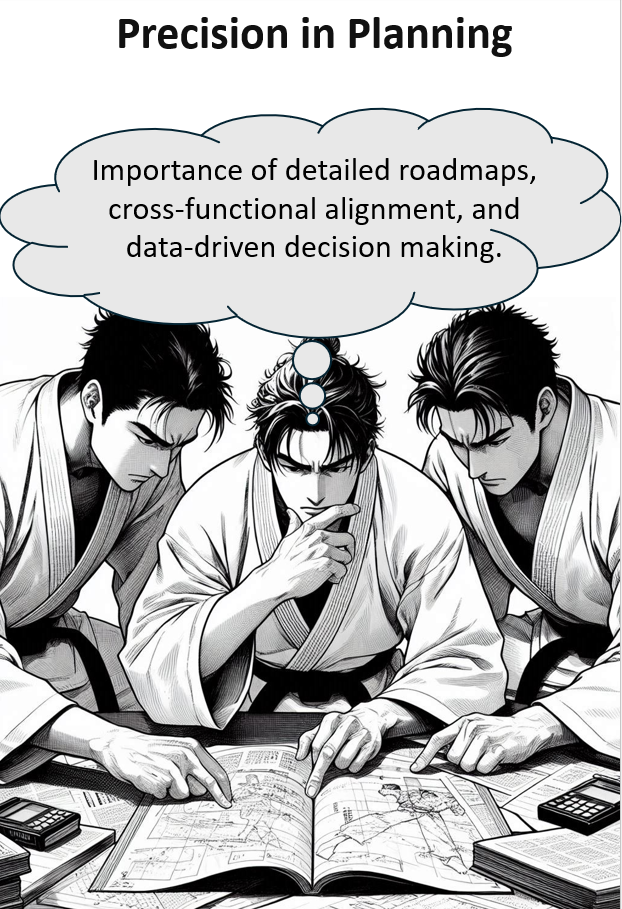
Just as a karateka meticulously plans each move or a golfer carefully selects each club, your GTM execution requires precise planning. When I was preparing for my first karate tournament, I spent countless hours perfecting each kata, ensuring every movement was crisp and purposeful. Similarly, in golf, I’ve learned that a well-planned approach to each hole can make all the difference in your score.
In GTM, this level of precision is equally crucial. Here’s how you can bring this mindset to your strategy:
- Detailed Roadmaps: Create comprehensive, AI-enhanced roadmaps that account for various market scenarios. Like a golfer visualizing their shots before stepping onto the tee, your GTM roadmap should anticipate potential challenges and opportunities.
- Cross-Functional Alignment: Ensure all teams – sales, marketing, product development, and customer service – are in sync, much like the different parts of your body must work in harmony for a perfect golf swing or karate technique.
- Data-Driven Decision Making: Leverage AI and analytics tools to inform your planning process. This is akin to using advanced golf simulators to analyze your swing or video analysis in karate training.
Adaptability in Action
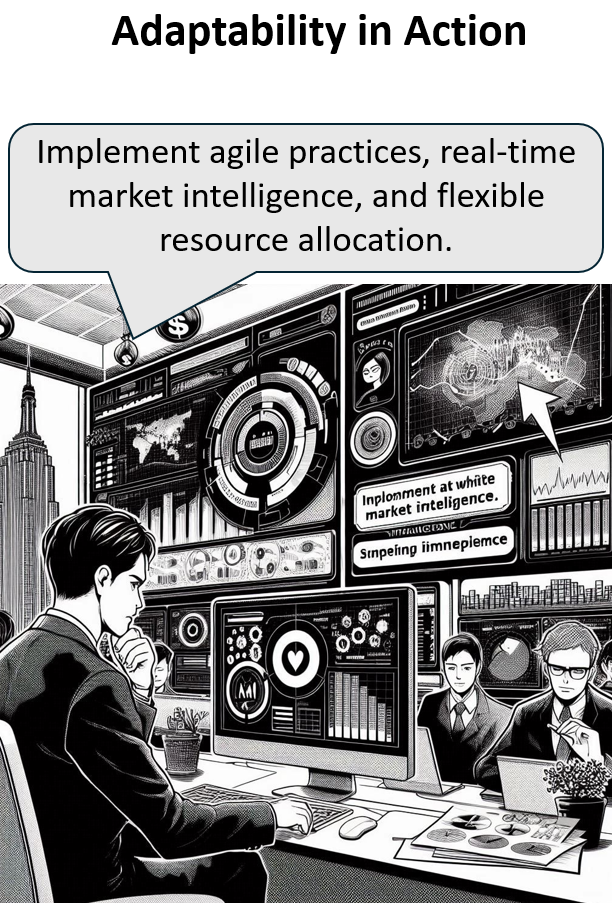
In both martial arts and golf, the ability to adapt to changing conditions is crucial. I remember a karate sparring match where my opponent’s unexpected style forced me to quickly adjust my strategy. Similarly, on the golf course, changing weather conditions often require rapid adjustments to your game plan.
In GTM execution, adaptability is equally vital:
- Agile Methodology: Implement agile practices in your GTM processes, allowing for quick pivots based on market feedback. This is similar to adjusting your stance mid-swing when you realize the wind has changed direction.
- Real-Time Market Intelligence: Use AI-powered tools to monitor market trends and competitor actions in real-time. This is like having a caddie who can read the green and suggest the perfect club for every shot.
- Flexible Resource Allocation: Be prepared to reallocate resources quickly based on performance data, much like a karateka might switch between offensive and defensive techniques based on their opponent’s movements.
Continuous Improvement
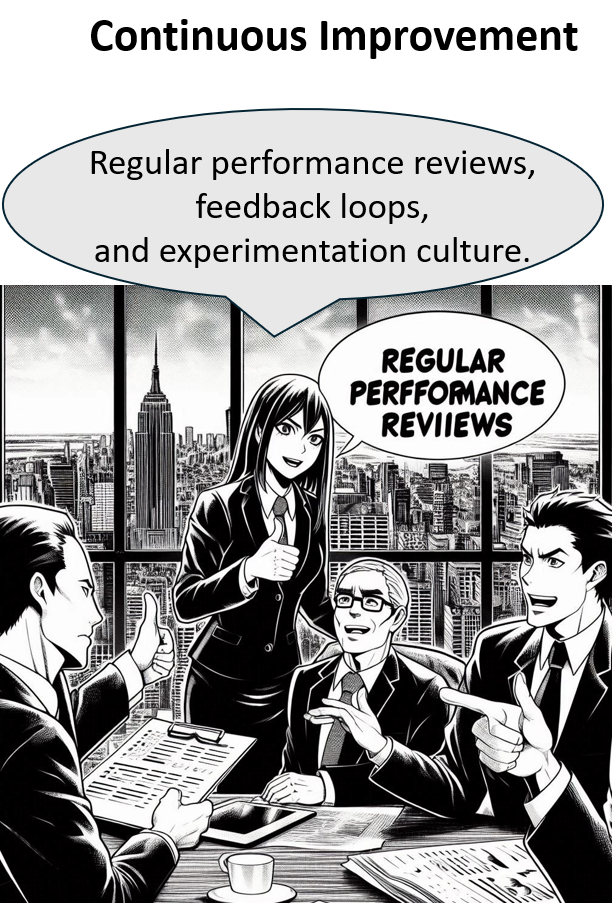
The concept of “kaizen” or continuous improvement is central to both karate and golf. In karate, we constantly refine our techniques, seeking perfection in every movement. In golf, even the pros spend hours on the driving range, tweaking their swing for marginal gains.
Apply this principle to your GTM execution:
- Regular Performance Reviews: Conduct frequent, data-driven reviews of your GTM performance. Use AI analytics to identify areas for improvement.
- Feedback Loops: Establish robust feedback mechanisms from customers, partners, and team members. This is like analyzing video footage of your golf swing or karate kata to identify areas for improvement.
- Experimentation Culture: Encourage controlled experiments in your GTM approach. Test new strategies in limited markets before full-scale rollout, much like practicing new techniques in the dojo before using them in competition.
Cross-Functional Harmony
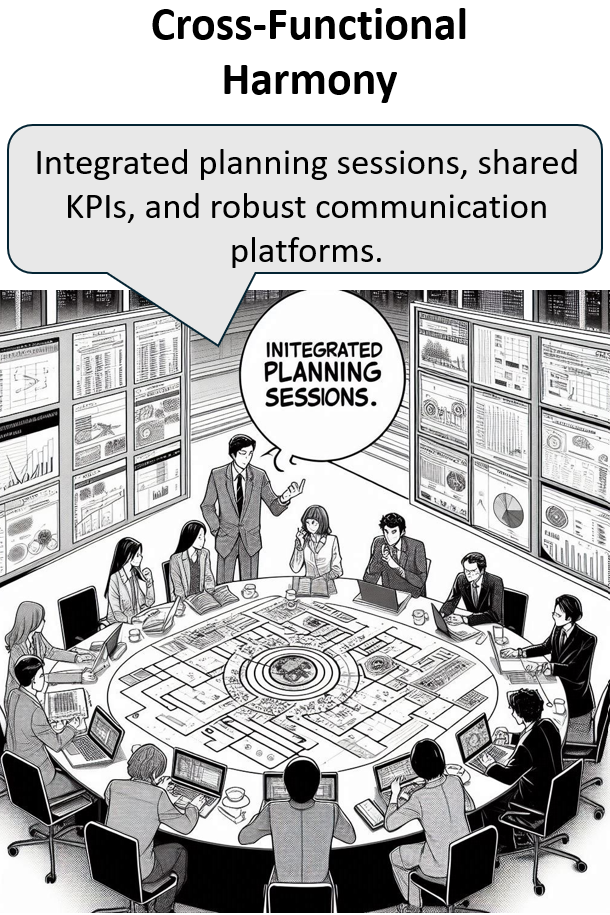
Like the perfect golf swing that requires the coordination of the entire body, or a complex karate kata that demands synchronization of various movements, successful GTM execution demands harmony across all business functions.
Here’s how to achieve this:
- Integrated Planning Sessions: Hold regular cross-functional planning sessions where all teams contribute to the GTM strategy. This is like a golf team strategizing for a tournament or a karate dojo preparing for a group demonstration.
- Shared KPIs: Develop shared key performance indicators that encourage collaboration rather than siloed thinking. This ensures everyone is working towards the same goal, much like a karate team training for a synchronized kata performance.
- Communication Platforms: Implement robust communication platforms that allow for seamless information sharing across teams. This is akin to the constant communication between a golfer and their caddie throughout a round.
The Role of Leadership
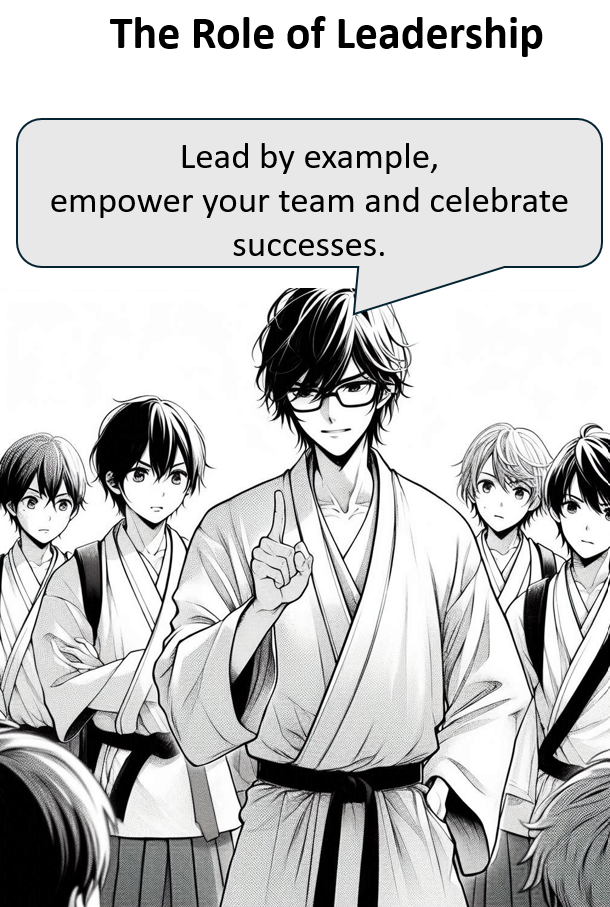
In both karate and golf, strong leadership is crucial for success. As a sensei guides their students or a golf captain leads their team, effective leadership in GTM execution is paramount.
Consider these leadership principles:
- Lead by Example: Demonstrate the behaviors and work ethic you expect from your team. In karate, the sensei doesn’t just instruct; they demonstrate. In golf, the best captains are often the hardest workers on the practice range.
- Empower Your Team: Give your team members the autonomy to make decisions within their areas of expertise. This is like a karate instructor allowing students to develop their own style within the framework of the art, or a golf coach encouraging players to trust their instincts on the course.
- Celebrate Successes: Recognize and celebrate both small wins and major achievements. This builds team morale and reinforces positive behaviors, much like the belt promotion system in karate or handicap improvements in golf.
Leveraging Technology
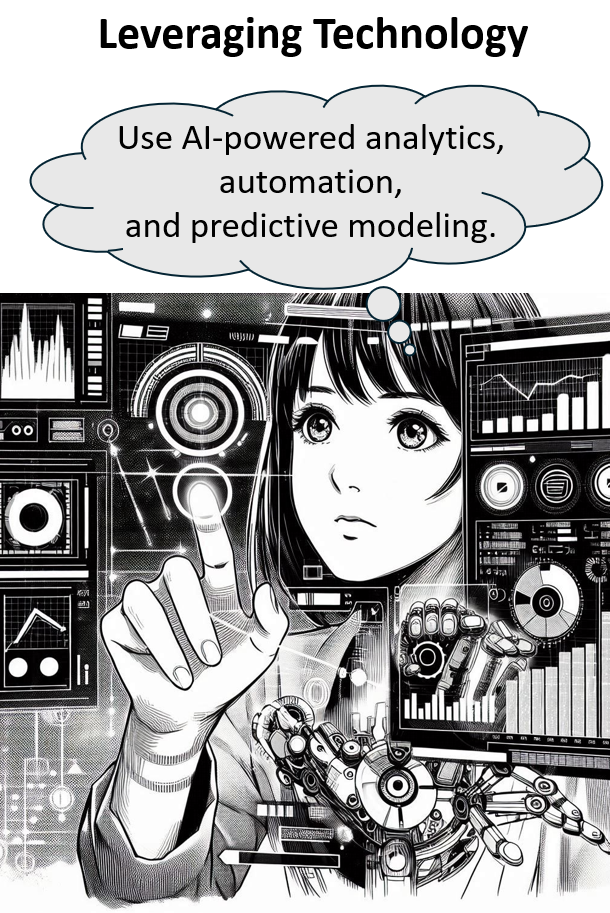
In today’s digital age, leveraging technology, especially AI, can give your GTM execution a significant edge. This is similar to how modern golf equipment can improve your game or how video analysis can enhance your karate training.
Consider these technological enhancements:
- AI-Powered Analytics: Use advanced analytics to gain deeper insights into market trends and customer behaviors. This is like using launch monitors in golf to analyze every aspect of your swing.
- Automation of Routine Tasks: Implement AI-driven automation for routine tasks, freeing up your team to focus on strategic activities. This is akin to using a golf rangefinder to quickly calculate distances, allowing you to focus on shot selection.
- Predictive Modeling: Leverage AI for predictive modeling to anticipate market changes and customer needs. This is similar to how weather apps help golfers prepare for changing conditions during a round.
As we conclude this section, remember that mastering GTM execution, like achieving proficiency in karate or excellence in golf, is a journey of continuous learning and improvement. By applying these best practices and maintaining the discipline and focus of a martial artist or a professional golfer, you can elevate your GTM execution to new heights.
In the next section, we’ll look towards the future, exploring emerging trends that will shape the next generation of GTM strategies. Just as karate evolves with new techniques and golf with new technologies, our approach to GTM must also adapt to the changing business landscape.
Engaging with You

As part of this journey, I also want to engage with you, my readers, by sharing portions of the book. Your feedback, comments, and suggestions will be invaluable in shaping the final product. I believe in the power of co-creation and would love to incorporate any specific concepts or ideas you might have. Of course, I will give full credit to any contributions that make it into the book. I will make sure nothing confidential will be published in the book.
Join the Conversation
If you have any suggestions or would like to discuss specific concepts, feel free to connect with me on LinkedIn thru personal messaging. I’m always happy to have a conversation and explore new ideas. Together, we can create something truly special. For collaboration or project discussions, you can also schedule a conversation in my calendar below or connect with me via email at david.merzel@hotmail.com. I look forward to further discussions!

 Md Consulting
Leave a comment